 0
0
 0
0
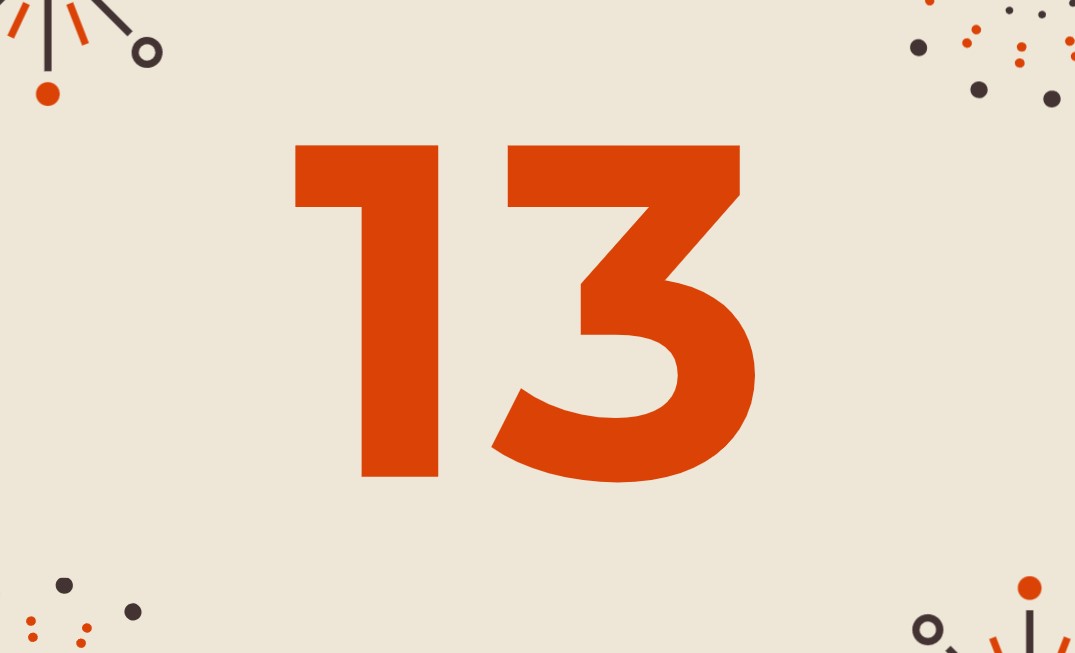
For centuries, the number 13 has carried a reputation far larger than its simple arithmetic value. It is the world’s most famous unlucky number—a symbol whispered about in elevators without a 13th floor, in airlines that skip row 13, and in hotel corridors where room 13 mysteriously doesn’t exist. But is 13 truly a harbinger of misfortune, or is its dark aura nothing more than a story humans have told themselves for generations?
A superstition older than most religions
The fear of 13—known as triskaidekaphobia—has roots that stretch deep into myth, religion, and numerology.
- Norse mythology — One of the earliest stories involves Loki, the trickster god, who arrived uninvited as the 13th guest at a divine banquet. His presence led to the death of Balder, plunging the world into mourning.
- Christian tradition — At the Last Supper, Judas—betrayer of Jesus—was the 13th guest at the table. Over time, this association cemented the idea that 13 brings betrayal, chaos, or death.
- Ancient numerology — Many ancient cultures saw 12 as the “perfect” number: 12 months, 12 zodiac signs, 12 gods of Olympus. Thirteen, coming right after this cosmic completeness, felt like an intruder—an irregularity that disrupted harmony.
These stories didn’t create the superstition alone, but they gave it a narrative spine that cultures could easily adopt and retell.
Modern society still avoids 13—quietly, but consistently
Walk into a high-rise in Vienna, Paris, or New York, and you may notice something odd: the elevator jumps from 12 to 14. Airlines like Lufthansa and Air France skip row 13. Some hospitals avoid room 13 altogether.
This avoidance isn’t based on evidence—it’s based on expectation. If enough people believe 13 is unlucky, businesses adapt to avoid discomfort, complaints, or even lost revenue.
In other words: the superstition survives because we keep feeding it.
But not all cultures fear it
The number 13 isn’t universally disliked. In fact, in some cultures it’s considered lucky, sacred, or even divine.
- Ancient Egypt — Egyptians believed life had 12 stages, and the 13th was the afterlife—a place of renewal, not fear.
- Judaism — Thirteen symbolizes maturity and blessing; a boy becomes a bar mitzvah at 13.
- Hindu tradition — The festival Trayodashi (the 13th day of the lunar cycle) is considered auspicious.
These examples show that numbers themselves are neutral; it’s culture that paints them with meaning.
The psychology behind the fear
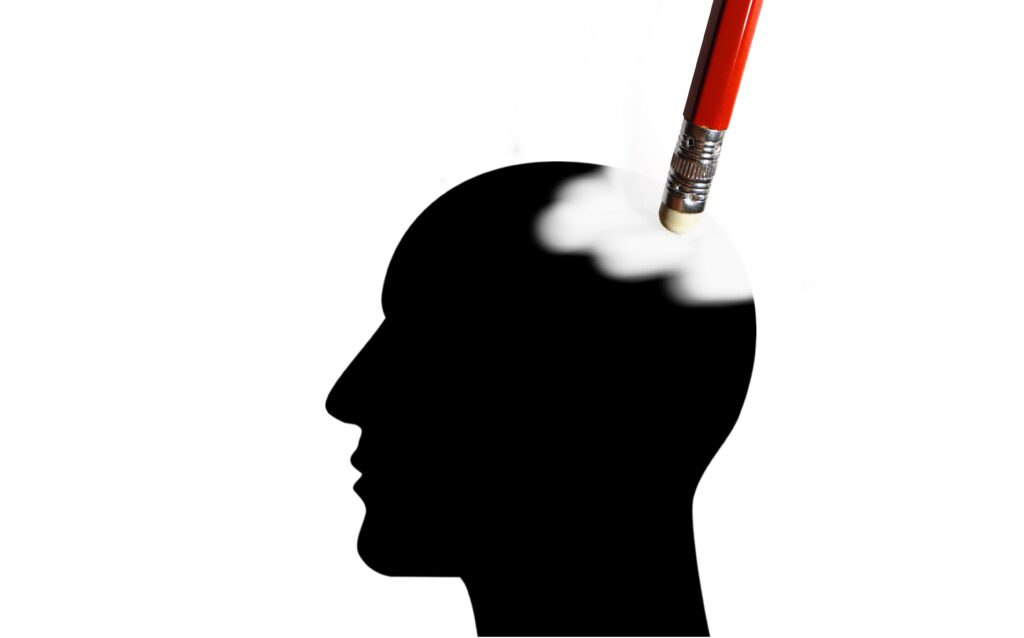
Superstitions thrive because humans are wired to look for patterns—even when none exist. Psychologists call this apophenia, the tendency to connect unrelated events.
If something bad happens on the 13th, we remember it.
If something good happens, we forget it.
This selective memory reinforces the myth.
And then there’s the power of self-fulfilling prophecy: if you expect a day to go badly, you’re more likely to notice every inconvenience and interpret it as “proof.”
So… unlucky or imagination?
The truth is simple: 13 is only as unlucky as we decide it is.
Its power comes not from mathematics or cosmic forces, but from centuries of storytelling, cultural habits, and human psychology.
Superstitions are mirrors—they reflect our fears, not the world’s reality.
Whether you avoid the number 13 or embrace it, one thing is clear: numbers don’t shape our destiny. Our beliefs do.
- Hector Pascua/picture: canva.com



This post has already been read 2841 times!